
The arts offers enormous public value, sparking individual joy while articulating central questions about what binds us together as a society. This contribution extends far beyond economic outcomes, reaching deep into civic life and public wellbeing.
Evidence demonstrates that engagement with art often serves as a crucial coping mechanism during difficult times. As readers of this blog will already know, there is significant evidence demonstrating the links between creativity and wellbeing.
Artist and arts workers synthesise creativity, turning the ephemeral into something tangible for society. The arts, therefore, are fundamental to our lives.
The question, then, is how this vital societal function is sustained. For arts and culture to support the community, we require an arts sector, and those working within it, to be healthy too.
Why the Wellbeing of Arts Workers Matters
Arts work is characterised by precarity, fragmentation, and complexity. Arts workers are often considered as "boundaryless," working freelance, casually, or in an unpaid capacity unconstrained by traditional organisational limits. The workforce is lowly paid, gendered and included systemic barriers with regard to caring responsibilities and accessibility.
It is no surprise to find that many in the arts find it challenging to maintain personal wellbeing. Research has found, for example, that while levels of distress in arts workers has decreased since COVID-19 pandemic when the arts industry shut down yet workers were locked out of support payments, it is still significantly higher than the general population.
Tackling the root causes of these challenges is immense. The increased focus on creative wellbeing for arts workers, however, has led to positive change. Launched in 2023, Creative Workplaces is the government body tasked with considering pay, safety and welfare in the arts, including mental health support resources for those in the sector.
Careers and Community for Resilience and Support
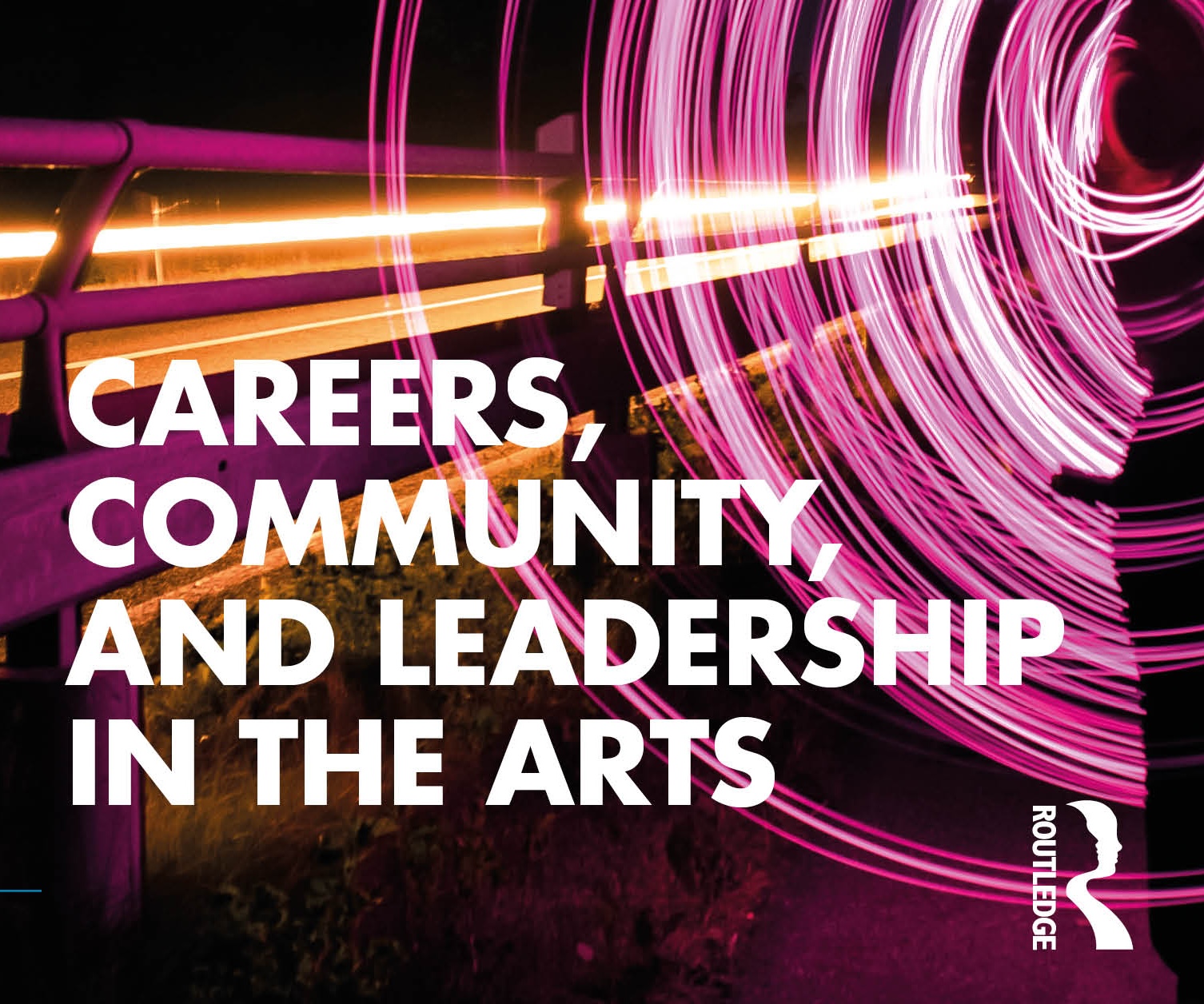
My recently published book, Careers, Community, and Leadership in the Arts, considers these issues from a different perspective, by asking how individual arts workers build sustainable careers and become effective leaders. Careers, community, and leadership, are, in my view, intersecting themes and central to the health of the sector.
While individuals working in the arts are required to exercise significant personal agency to manage their own career, ensuring the collective capacity of the sector to serve the public requires community and leadership.
The one solution to building a sustainable arts sector explored in the book lies in community. Communities of practice function as resource-friendly social learning systems. They are crucial for helping arts workers develop explicit and tacit skills and facilitating essential connections. This is particularly necessary because formal career or professional development training is often limited or prohibitively expensive in the resource-constrained arts environment.
The book explores case studies from a variety of industries and locations from the screen community in Hobart/nipaluna, the theatre community in Adelaide/ Tarndanya, producers in Singapore and an arts space in Leeds, England. Research conducted over a decade shows that community participation builds collective capability and helps arts workers feel less isolated in the precarious labour market.
When emerging arts workers participate in communities, they gain invaluable understanding of their industry’s labour market, but they also receive valuable psychosocial support helping them cope with the precarious working conditions that proliferate.
The role of leadership
For the arts to contribute to social wellbeing it requires leadership that can articulate and execute a broad cultural vision. Careers, Community, and Leadership in the Arts also explore the reality of arts leadership and how it is formed. It argues that arts leadership requires a nuanced approach, recognising the importance of aligning leadership styles with creative practice.
It is important to note that leaders are over glorified. I argue that the sector does not simply need great individual leaders; it needs great cultural leadership. Leadership is a relational process that exists between people. In the arts leadership is often shared or distributed to align to the organic work patterns that characterise the industry.
Arts leadership must be collaborative, inclusive, and multifaceted. Effective leadership creates value that extends beyond the individual, inspiring and developing others to create robust, effective organisations and sustainable projects.
It is this collective process, driven by collaborative, relational leadership, that sustains the power and purpose required for creating great art for all people.
By focusing on fostering sustainable arts careers, building strong communities of practice, and embracing collective leadership, the arts sector can secure its foundational ability to challenge, reflect, and enrich the lives of all.
Grab your copy of Careers, Community, and Leadership in the Arts
Enter '25AFLY4' at checkout for a 20% discount
Thumbnail image by Efe Ersoy on Pexels


.png)